


World’s oldest Christian hymn reveals beliefs of early Christians
An early Christian hymn pulled out of an ancient Egyptian rubbish heap at the end of the First World War has recently been revived as a hymn sung by Christians around the world.
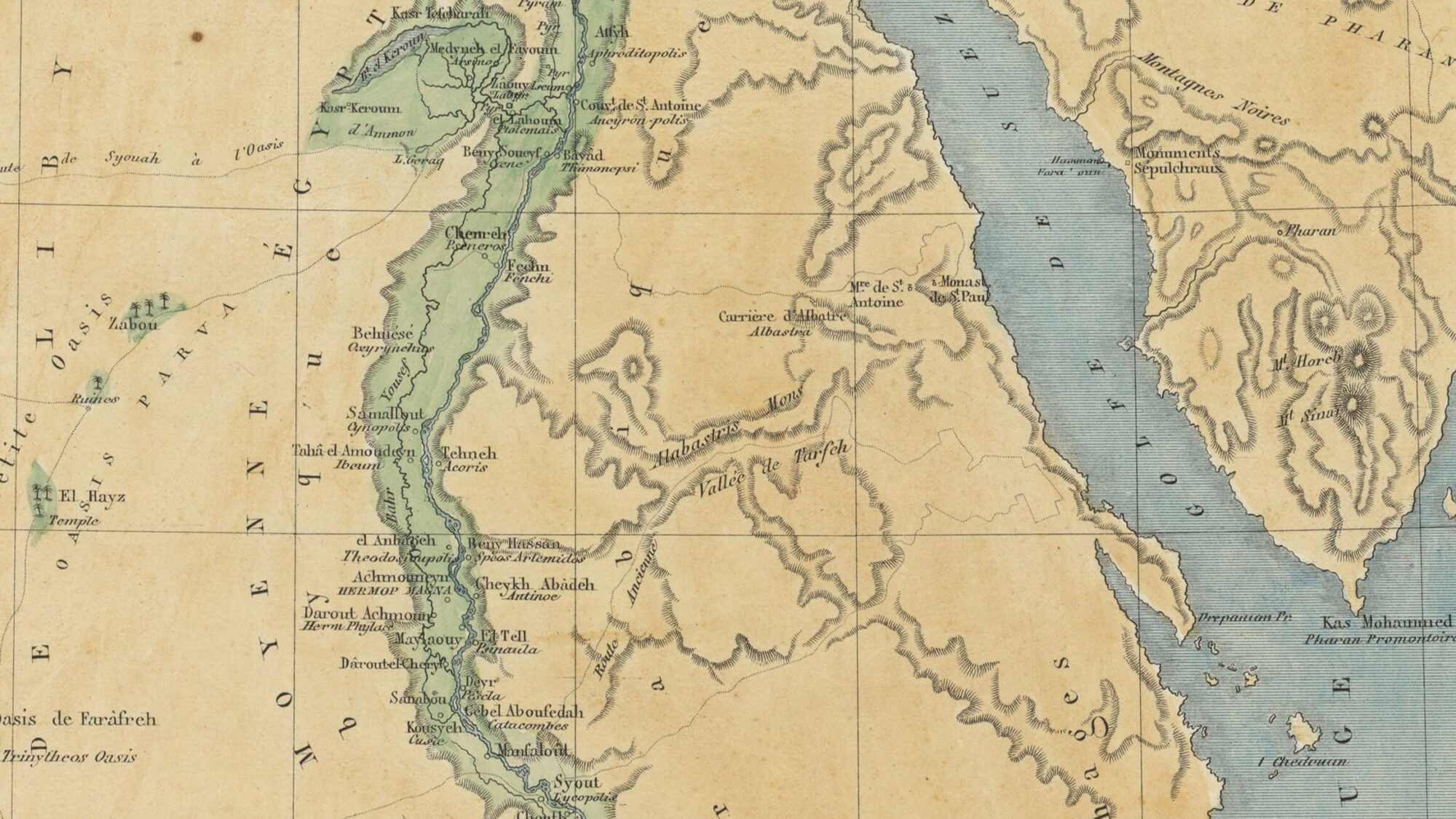
The hymn, written in about AD 250-80 on a small scrap of papyrus, was one of thousands of discoveries made in the ruins of Oxyrhynchus, an ancient provincial capital in Egypt. Because of the extremely dry climate, the town’s rubbish heaps became an accidental time capsule, preserving thousands of thrown-away documents. The scrap of papyrus had been recycled by the hymn writer; on the reverse side was a delivery note for a shipment of grain.
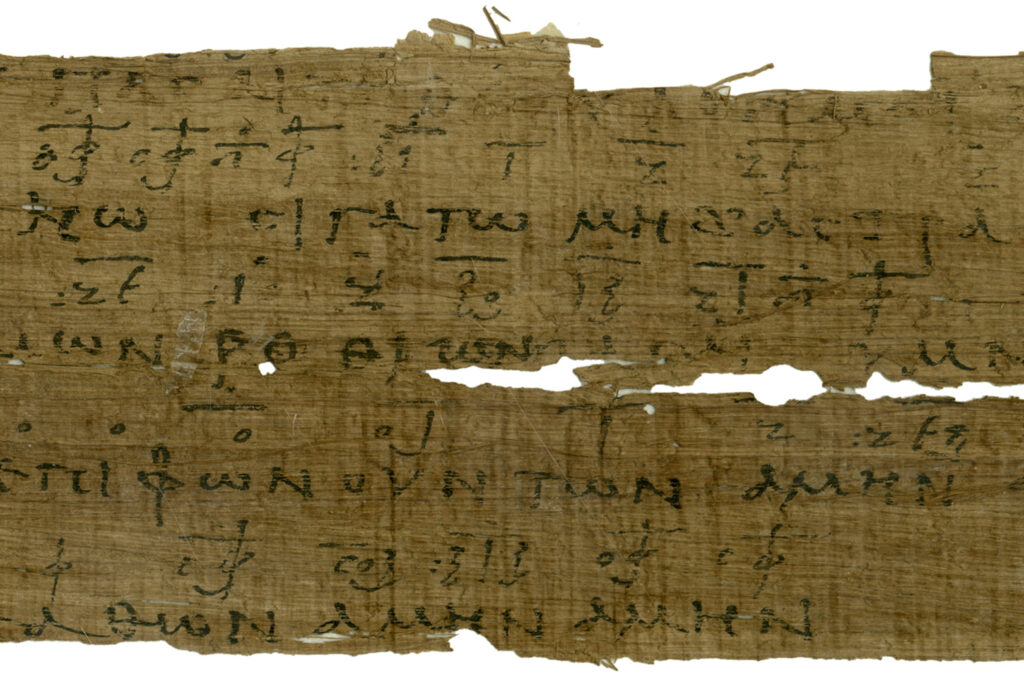
The Oxford archaeologists Bernard Grenfell and Arthur Hunt, who unearthed it in 1918, had no proper containers to take all their discoveries home, so they packed the thousands of papyrus fragments into old Edwardian biscuit tins.
Four years later, the papyrus was translated and for the first time in over 1,600 years, the lines of the hymn could be read. But more than that, the melody of the hymn could also be followed, because the papyrus writer had used Greek musical notation dating back to 400 BC, in the form of small letters above the lines of the hymn. It was quickly realised that this was the oldest known Christian hymn, and in the century since it was discovered no earlier hymn has been found. In English, the hymn unfolds like this:
Let the whole of creation fall silent,
And let the light-bearing stars not shine.
Let the wild winds and roaring rivers be still,
As we hymn the Father, the Son, and the Holy Spirit.
And let all the heavenly powers shout their reply:
Amen, amen!
Strength, praise and glory to God for ever,
The only giver of all good things.
Amen, amen!
After its discovery, the hymn was lost to public view for another 100 years. It was debated by scholars and filed away on library shelves, but remained unknown to the wider world. But in 2023, its lyrics were reworked and its melody adapted as a modern hymn, and it is now sung by many churches and in many different languages around the world as ‘the first hymn’.
The lyrics of the hymn are remarkable for talking about God as ‘Father, Son and Holy Spirit’. According to modern sceptical argument, the doctrine of the trinity was imposed on the Roman Empire by the Emperor Constantine and the church councils which took place some 50 and 100 years after the papyrus was written. It was invented, so the argument goes, to unify the Roman Empire through a newly fabricated state religion.
But the papyrus shows that ordinary Christians in the empire’s outer provinces were already expressing this precise theology by singing it together. The hymn shows that the trinity was not top-down politics forced on believers by a 4th century emperor. Instead, it was part of organic Christian worship from the early history of the church.
Another detail of the hymn is worth noticing. The AD 250s was a difficult decade for the church. First the Emperor Decius ordered every citizen to perform a pagan sacrifice to the Roman gods for the safety of the empire. And then the Emperor Valerian attempted to destroy the church by executing its leaders, confiscating church property and impoverishing church members.
The hymn seems to respond to this by undermining a familiar pagan belief which was used on civic inscriptions and in temple prayers to honour deities such as Zeus, or to honour the Roman emperor himself. The gods and the emperor were routinely called the ‘giver of good things’. The hymn boldly praises God as ‘the only giver of all good things’.
To sing these words under Roman rule was a beautiful and dangerous declaration of the early Christians’ ultimate loyalty.
Main photo by Wikimedia. Papyrus image © Digital Corpus of Literary Papyri and LDAB, used under CC BY 3.0
