


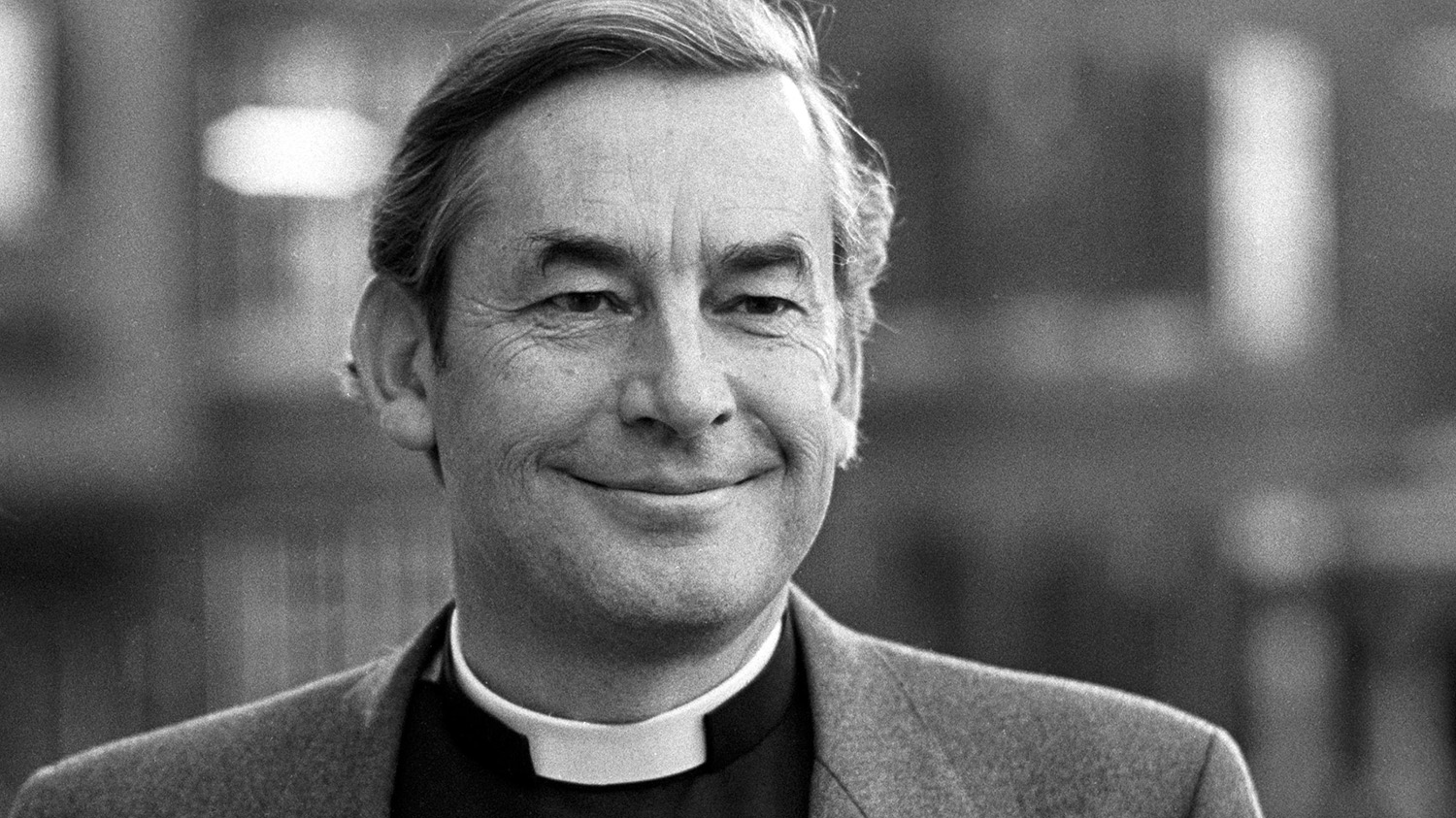
Richard Harries: ‘working on the boundaries of belief and unbelief’
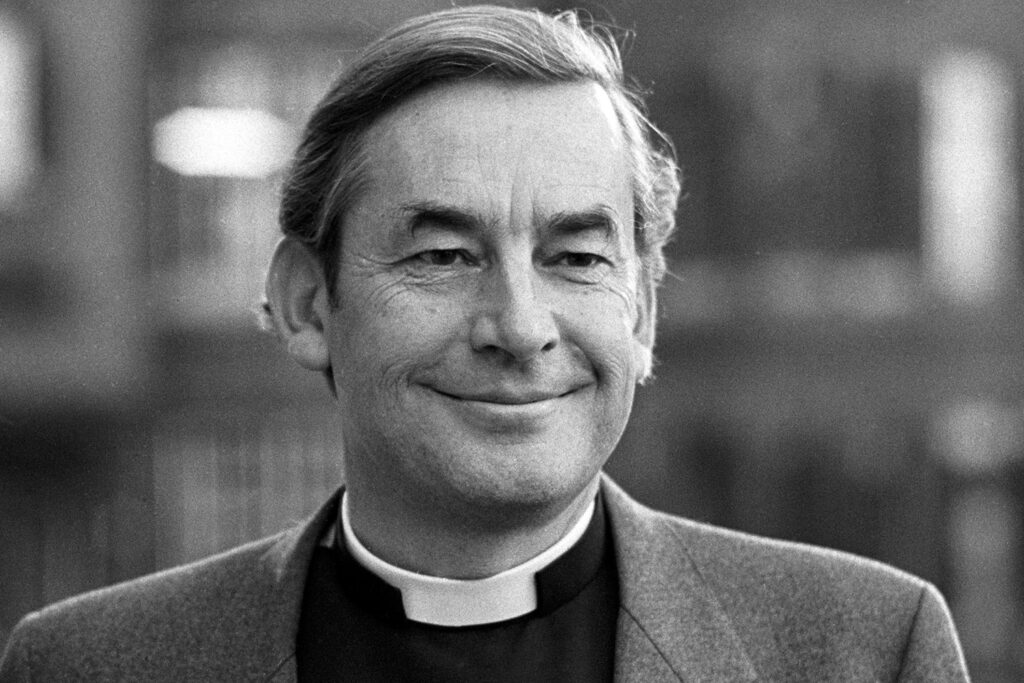
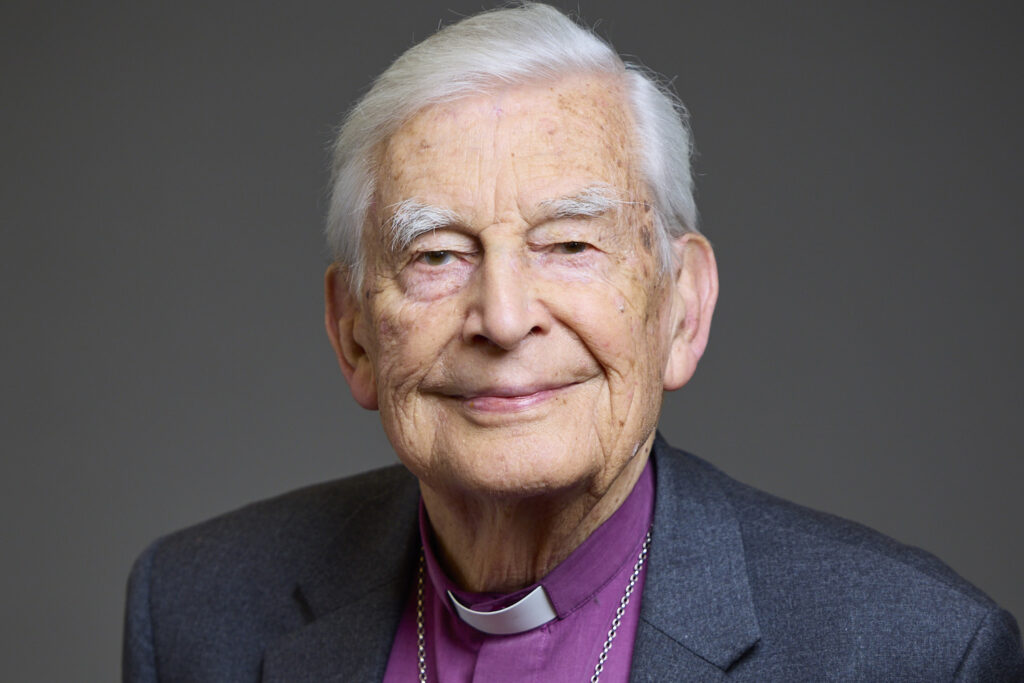
In his time, Richard Harries, who has died at the age of 89, was the Bishop of Oxford, and for over 50 years was a regular contributor to Thought for the Day, on the BBC Radio Four Today programme. On his retirement, he became a life peer, Lord Harries of Pentregarth. He was also Chair of the Christian Evidence Society in the 1980s, at an important time in our story.
Harries became Chair of the Society in 1983, and he was a key figure in revitalising its work after a long period of inactivity. He had delivered the Society’s annual Drawbridge Lecture the previous year, and was especially interested in engaging publicly with secular culture through radio and television broadcasting, video, and advertising. ‘Our work is to operate on the boundaries of belief and unbelief,’ he said. This approach characterised the whole of his life’s work.
In this spirit, he commissioned a research project, funded by the Society and carried out by a sociologist, into the state of faith in the inner city as church attendance declined. The project visited white working class people in their flats in Tower Hamlets and talking with them at length about their attitudes to religion. One of the findings was that those interviewed were avid TV watchers: ‘Soap operas have apparently taken the place of a lost neighbourhood consciousness.’
The findings of the project were taken to heart by Harries, especially its observation about the place of soap operas in the life and imagination of people disconnected from faith. He initiated an ambitious conference on the influence of popular television, which took place in March 1988 at Cumberland Lodge in Windsor Great Park.
‘The Soap Opera: Mirror or Shaper of Society?’ – the eye-catching title of the conference – focused on TV serials such as EastEnders, Coronation Street, Brookside and Neighbours. Its aim was to provoke a conversation among broadcasters about the ethical presuppositions underlying entertainment watched by millions of viewers. Some fifty movers and shakers working in the orbit of television took part, including actors, producers, executives, researchers, scriptwriters, academics, journalists and clergy.
Years later, Harries reflected on the conference: ’We got an amazingly distinguished set of speakers. However, I remember that it was not a total success because it was so difficult to get producers and others involved in television to think of morality more widely than sexual morality or swearing.’
Harries also initiated a publishing venture, developing a series of booklets on evidence for the Christian faith. The booklets, which made the case for God, life after death, prayer, and the resurrection of Jesus, proved highly popular, selling 36,000 copies in just two years. They were the first new publishing initiative of the Society in almost 40 years.
Harries stepped down as Chair of the Society in 1992. It is a mark of his commitment to the work of Christian evidence that he did so five years after becoming Bishop of Oxford.
His death has prompted many heartfelt tributes, including this one from the Archbishop of Canterbury: ‘The death of Bishop Richard Harries is a great loss not just to the Church of England but to the country at large. His wisdom, compassion and profound commitment to the common good will be missed in the Church, the House of Lords and beyond. As I pray for his family and all who mourn, I give thanks to God for a life so well lived in service to Jesus Christ. May he rest in peace and rise in glory.’
For a short history of the Christian Evidence Society, including Richard Harries’ time as Chair, download our booklet, Making the Case for Faith.
Photos by Alamy and House of Lords/Roger Harris
